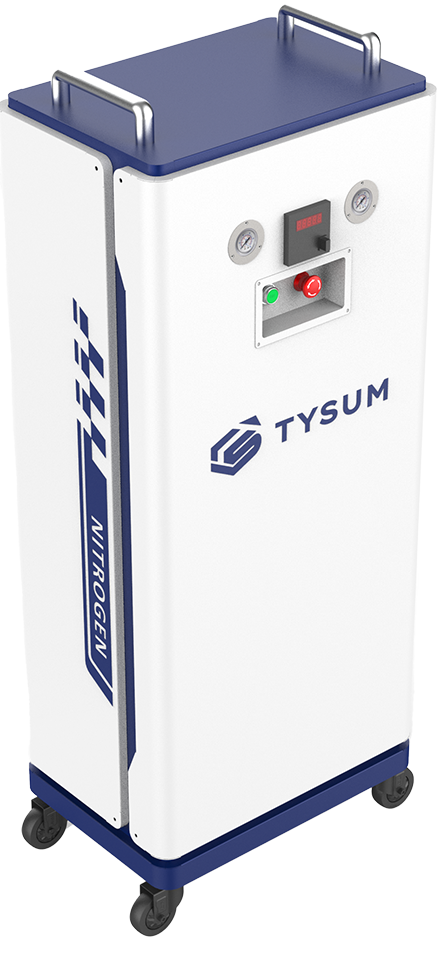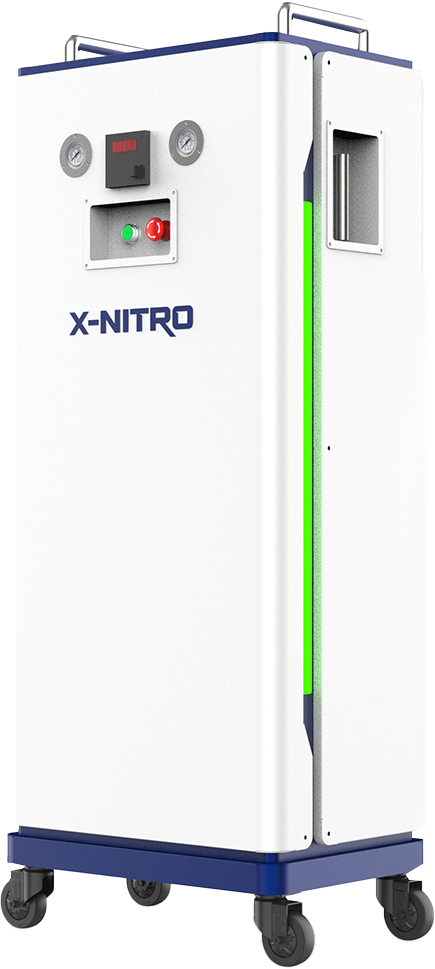
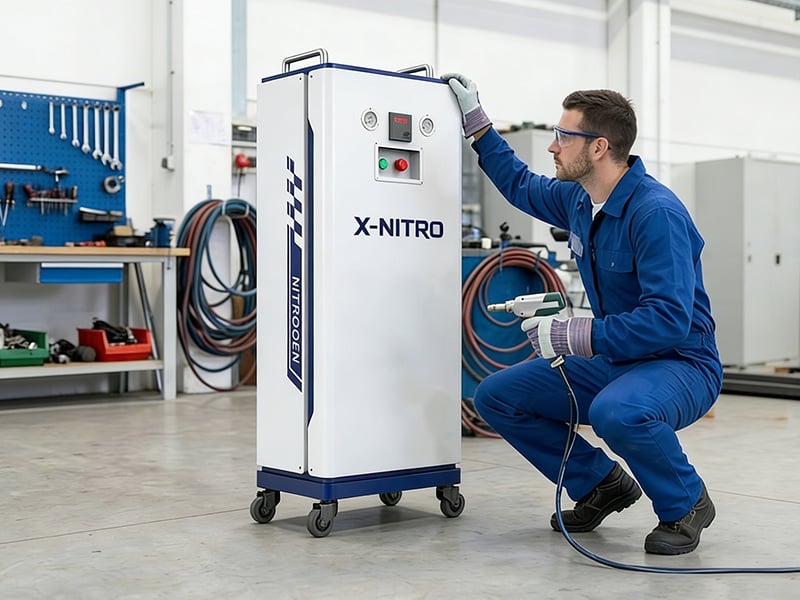
X-Nitro on-site generators turn atmosphere into reliable, pure nitrogen—putting supply, cost, and quality firmly in your hands.
Burdened by recurring rental fees, delivery charges, and residual gas waste — your budget remains exposed to hidden costs and market fluctuations.
Suffer from variable purity, dropping flow, and delivery delays. Your product quality depends on the last tank's condition.
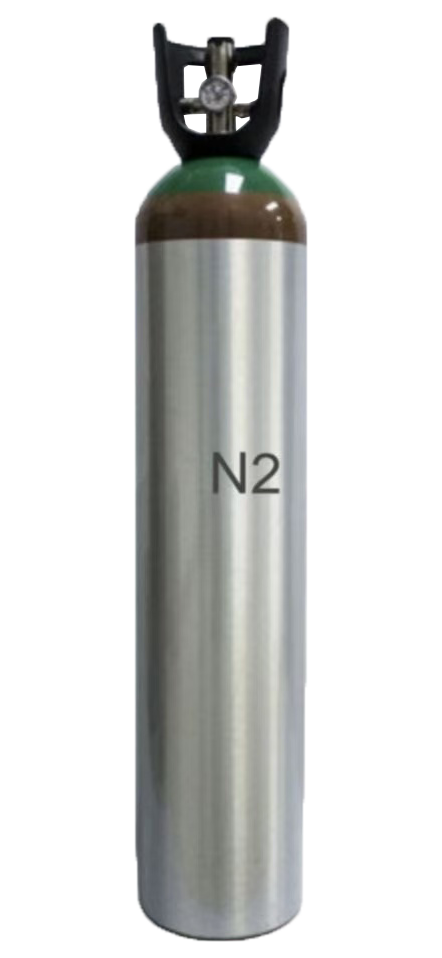
On-site high-pressure cylinder storage imposes space occupation, handling burdens, and ongoing safety liabilities.
Your costs focus on the machine, filters, and electricity, leading to a significantly lower total cost of ownership than cylinder supply.
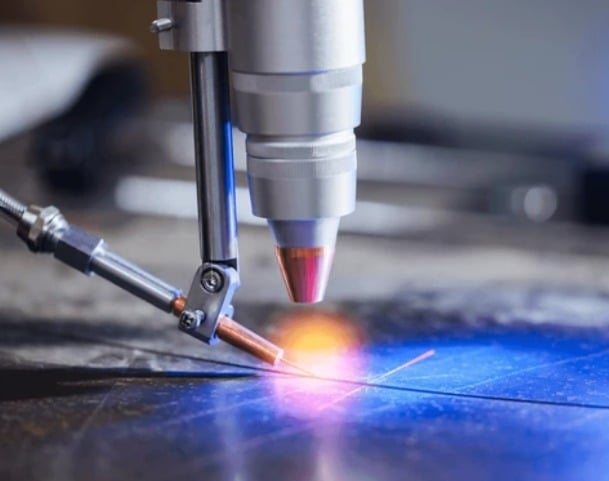
X-Nitro N₂ generator delivers stable nitrogen flow, ensuring consistently clean welds while minimizing production downtime.
No more worry about high-pressure cylinder storage or manual handling — and no more explosion, leakage, or injury risks in your facility.
While gas cylinders deliver fading flow and declining purity, X-Nitro generator consistently provides lab‑grade 99.99% nitrogen. The result? Uniformly clean, oxidation‑free welds from the first bead to the last, giving you predictable quality, higher throughput, and zero rework.
| Feature | Cylinder Supply | On-Site PSA Generator |
|---|---|---|
| Annual Consumption | 3,000 Nm | 3,000 Nm |
| Logistics | ~334 Cylinders/year | None (On-demand) |
| Primary Cost | $11,690(Gas) | $7,500(One-time Investment) |
| Recurring Fees | $600(Rental & Delivery) | $680(Electricity & Maintenance) |
| First-Year Total | $12,290 | $8,180 |
| Ongoing Annual Cost | $12,290 | ~$680 |
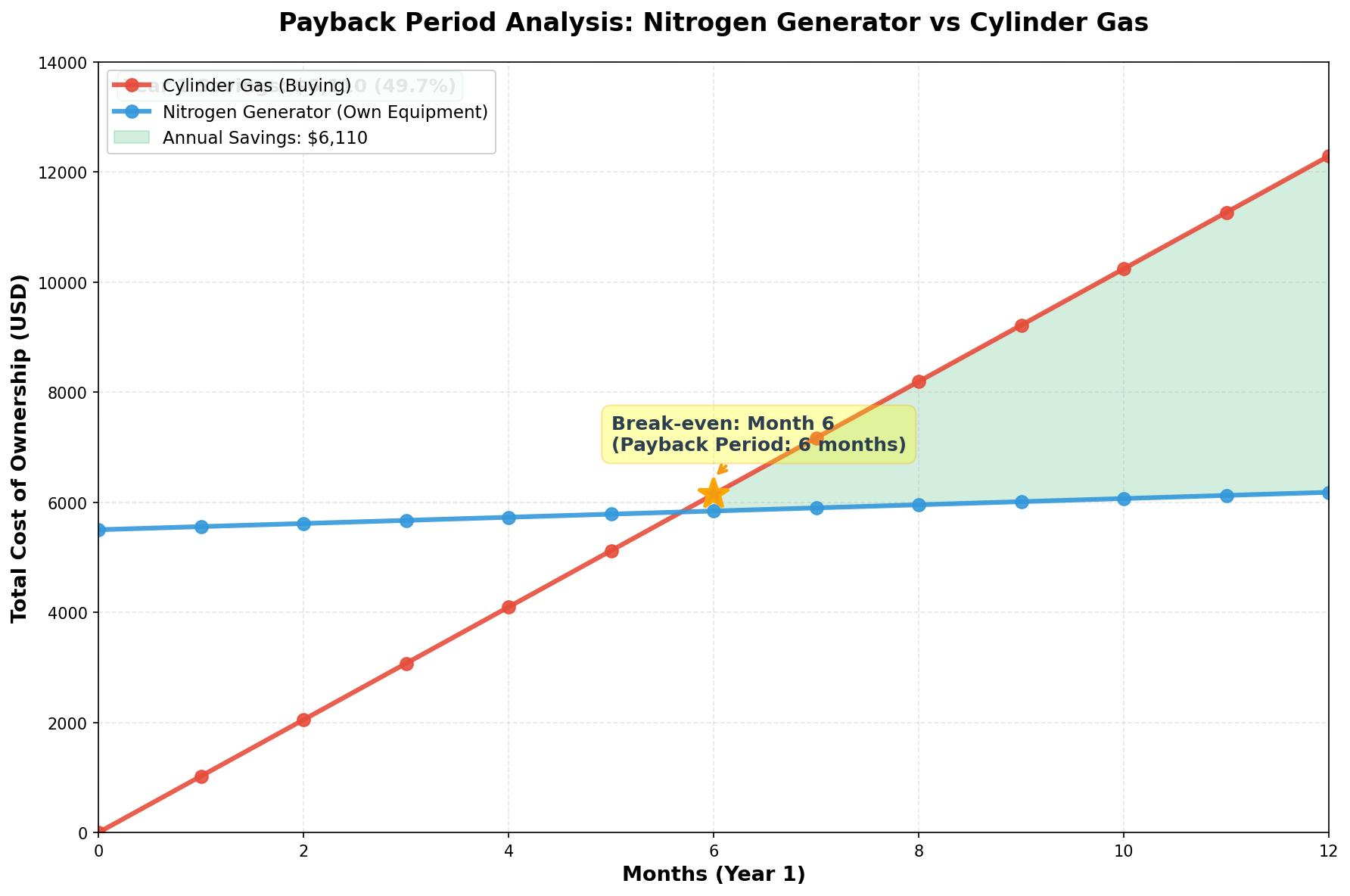
Nitrogen cylinders lock you into ongoing costs that increase with usage and delivery frequency. On-site nitrogen generation replaces these recurring expenses with a one-time investment and low, predictable operating costs. For most laser welding shops, the system pays for itself in just 5–6 months.
Enter your nitrogen usage details to see how cylinder costs compare with on-site generation. Based on your flow rate, purity requirement, and operating hours, the calculator estimates your total cost and potential savings—clearly and quickly.
(including gas, transportation, and cylinder rentals)
$
(including gas, transportation, and cylinder rentals)
X-Nitro PSA nitrogen generator is engineered specifically for your laser welding operation to replace nitrogen cylinders without disrupting production.
Eliminates cylinder deliveries and supply interruptions.
No Layout Changes Required. Plug-and-play.
Reliable on-site supply.
Carbon molecular sieve typically lasts 5–8 years.
Start with a single switch.
No more oxidation worry.
Delivers ≥ 2.5 m³/h nitrogen at ≥ 99.5% purity.
Move with ease.
Thank you for submitting your information. You can now download your file below.
Download FileOn-site nitrogen supply eliminates downtime caused by cylinder changes, delivery delays, or supply interruptions.
On-site generation removes recurring cylinder costs and typically achieves payback within 5–6 months.
High-purity nitrogen up to 99.99% helps reduce oxidation and maintain consistent weld appearance.
The compact design integrates easily into production lines with simple setup and daily operation.
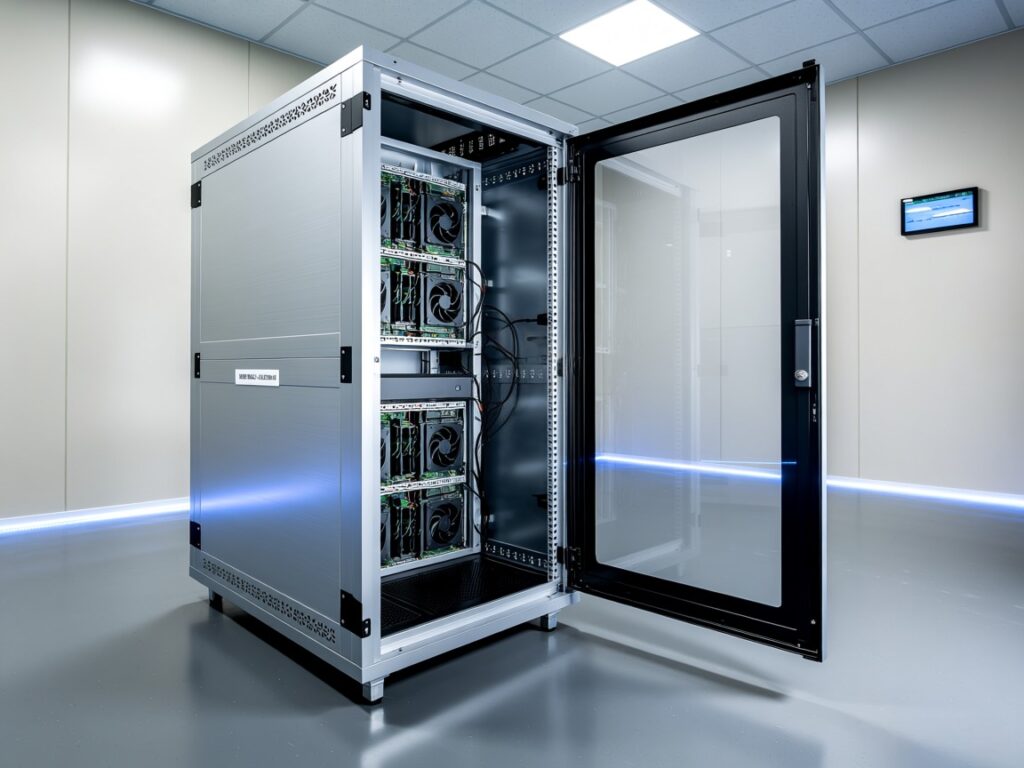
X-Nitro on-site nitrogen generator produces nitrogen directly from compressed air using PSA (Pressure Swing Adsorption) technology. Instead of relying on delivered cylinders, nitrogen is generated continuously inside your facility—exactly where and when it’s needed.
2 laser cutting lines
3 welding lines
10 laser welding machines are in daily operation
Challenge
Solution
Our X-Nitro PSA nitrogen generator system delivers up to 99.99% purity. It resolves key issues in laser cutting and welding, including unstable supply, pressure fluctuations, and weld defects.
For a metal enclosure plant with a demand of 28–32 m³/h, a modular configuration of ~14 units (≥2.5 m³/h each) ensures stable supply, redundancy, and peak load handling.
Annual cost saving:75-85%
Weld defects reduced by ~35%
Rework reduced by 25-30%
Less downtime, higher productivity
X-Nitro is designed to match real laser welding processes across a wide range of production environments. With controlled purity and stable flow, our nitrogen making machine supports both automated and manual welding operations where consistency, efficiency, and weld appearance are critical.
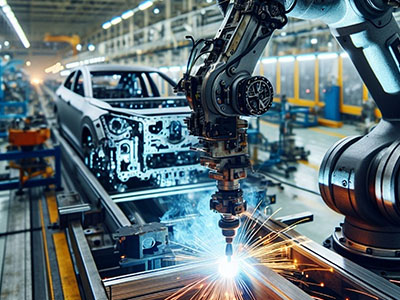
In automotive robotic welding, stable shielding is required, typically using 99.99% nitrogen, with ≤100 ppm oxygen and ≤ -40°C dew point to ensure consistent weld quality in continuous production.
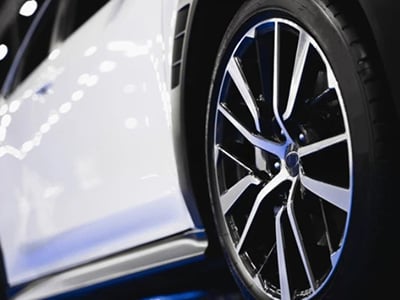
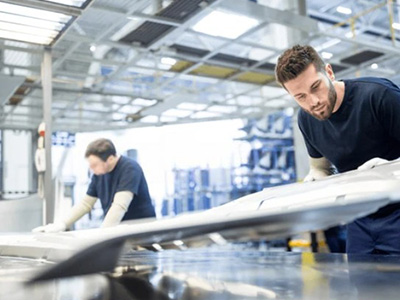
In mass automotive parts welding, oxidation control is critical, where 99.99% nitrogen, ≤100 ppm oxygen, and ≤ -40°C dew point help reduce defects and stabilize joint strength.
In aerospace alloy welding, ultra-low oxygen conditions are required, using 99.999% nitrogen or argon blends, with ≤50 ppm oxygen and ≤ -60°C dew point to ensure weld integrity.
In furniture sheet metal processing, edge oxidation is common, where 99.99% nitrogen, ≤100 ppm oxygen, and ≤ -40°C dew point improve surface quality and reduce finishing work.
In electrical enclosure welding, surface consistency is key, where 99.99% nitrogen, ≤100 ppm oxygen, and ≤ -40°C dew point ensure clean weld appearance and stability.
In micro-welding of sensors and connectors, oxygen sensitivity is high, where 99.999% nitrogen, ≤10 ppm oxygen, and ≤ -60°C dew point ensure stable electrical performance.
Nitrogen is widely used for welding applications requiring oxidation control and cost efficiency, especially for carbon steel and stainless steel, improving weld quality and stability.
For more reactive metals such as aluminum alloys and titanium, nitrogen can be used as a supporting or mixed shielding gas to enhance protection and optimize welding performance.
This flexibility enables nitrogen to cover a wide range of welding needs, adapting to different material requirements.
Testimonials
Hear directly from factories running our equipment in real operations.
Let our team handle the calculations and provide the best-fit solution — we’re available 24/7.
No problem. Get your personalized nitrogen solution in two easy ways:
1. Upload your bill for a precise usage and cost analysis.
2. Tell us about your production details, such as:
• Number of laser welding machines
• Daily/monthly production output
• Type of operation(automated or manual production lines)
• Factory location