From cement production plants to agricultural facilities, air filtration is a concern that demands a reliable solution to maintain optimal production levels. While the typical dust collection setup works on most facilities, silos, bins, and hoppers require specific equipment for dust control. Enter the bin vent dust collector – the ideal machine for the job.
In this article, we will learn more about bin vent dust collectors – how they work, their applications, and how they differ from baghouse dust collectors.
What is a Bin Vent Dust Collection System?
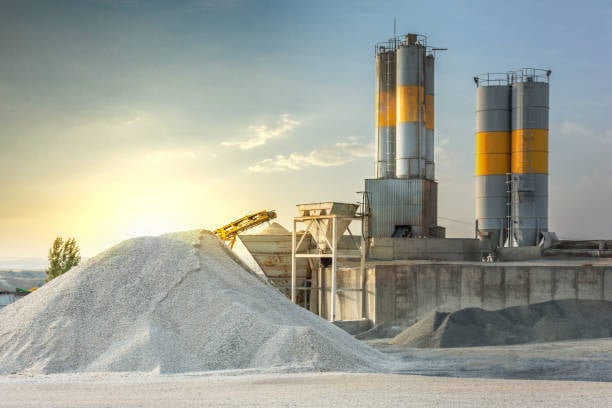
Also called a silo dust collector, a bin vent dust collector is responsible for removing dust particles that are produced when loading and unloading products on vessels. These filtration systems feature a compact design and can also regulate pressure levels within the containers, preventing overflowing or combustion. They are the reliable localized solution for dust-filled air in small to moderate volumes while minimizing product loss.
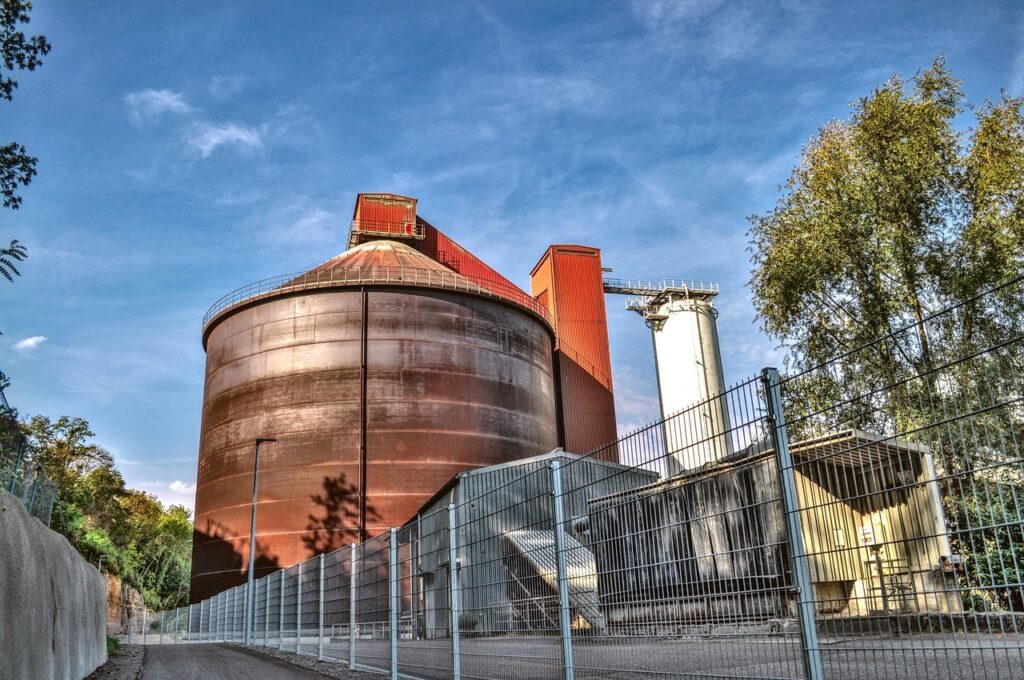
Bin vent dust collectors are typically installed on top of storage silos, mixers, and other equipment that generate dust particles. Industries that greatly benefit from having a bin vent dust collector installed include:
- Plants that produce cement and other fine powder-like products with potentially toxic materials
- Agricultural facilities that store and process grains and other food items
- Production workshops that utilize pneumatic or continuous feed silos
How Does a Bin Vent Work
Source: Pixabay
A bit vent dust collector works like most dust collectors in the market, albeit with some minor changes. Found within the dust collector are several filter bags that capture the dust particles during the filtration process. These bags are held by either metal frames or cartridges, which are selected based on the silo’s air filtration needs.
The dust collection process goes as follows:
- A fan pulls the dust-filled air from the silo into the bin vent dust collector.
- The air then goes through the filters, leaving behind the dust particles along the way.
- Clean air is released into the environment, while the dust particles are removed from the filters with an automated pulse jet system.
- The harmful dust particles are then moved to a different chamber for disposal. Some particles are returned to the silo to minimize material loss.
Advantages of Bin Vent Dust Collectors
High-efficiency filtration – bin vent dust collectors boast 99.99% dust collection capabilities, ensuring harmful particles are taken out of the system. It also guarantees the elimination of cross-contamination that can lead to product recalls and loss of sales.
Reduced material loss – some dust particles can still be reused or recycled, which could be lost when left unattended. With bin vent dust collectors, these particles can be properly filtered and retrieved, so facilities can maximize their materials and potential profit.
Easy to install and maintain – with most silos and bins having a pre-installed exhaust vent, setting up a bin vent dust collector is smooth and seamless. Plus, the automatic pulse jet system in the dust collector helps keep the machine clean and in optimal condition.
Manage air quality and pressure – bin vent dust collectors help manage the air quality within the silo, making sure they are safe and harmless for the workers and the environment. It also reduces pressure buildup in the silo or bin, helping protect the container’s structural integrity.
Adhere to regulatory standards – each industry has standards that facilities have to comply with to continue operations, like the EPA and OSHA emission regulations. Bin vent dust collectors take harmful dust from the air stream, ensuring that the released air is clean and pure per emission requirements.
Bin Vent vs Baghouse Dust Collectors
Source: Pixabay
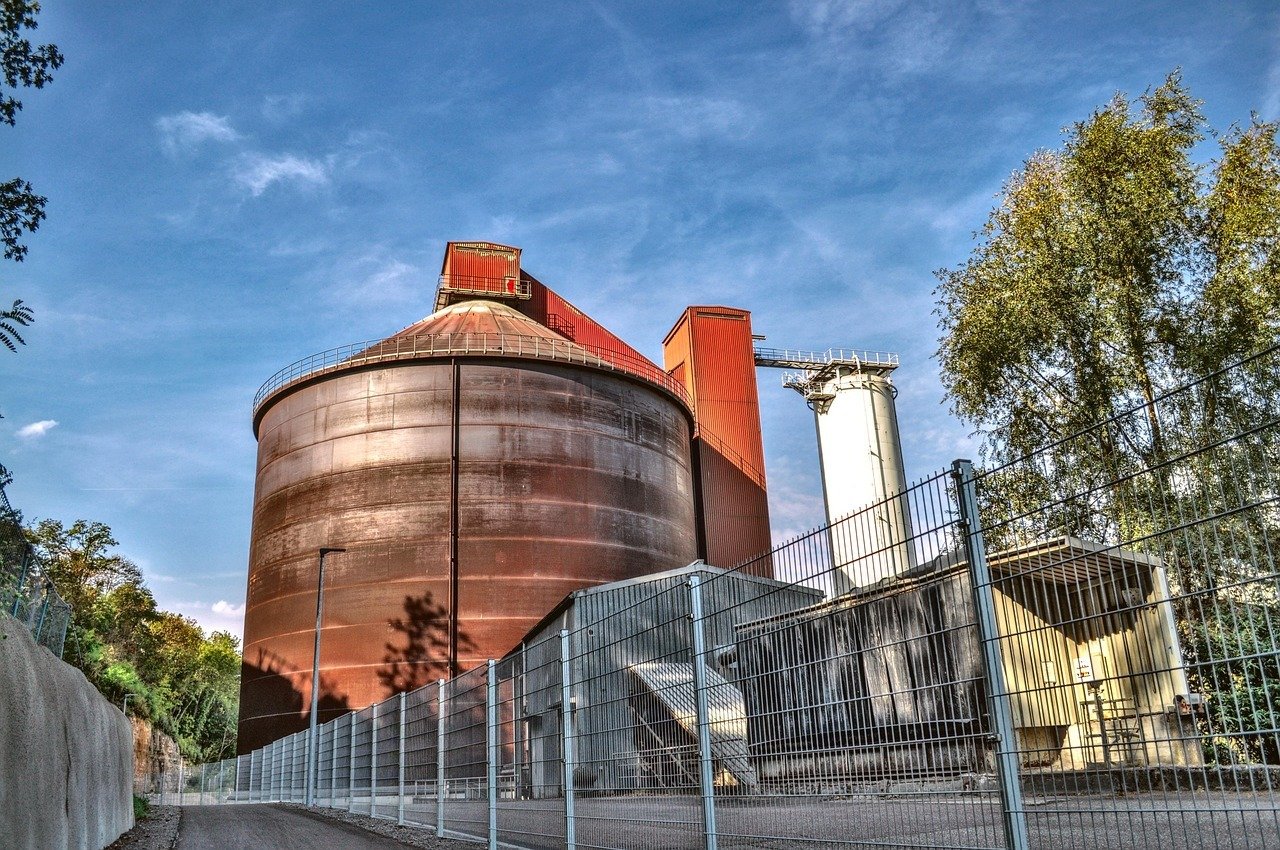
While sharing primary functionality and purpose, a bin vent dust collector highly differs from its baghouse dust collector counterpart. From size and installation requirements to their filtration capacity and range, it’s critical to identify the strengths and challenges of these air filtration units.
Let’s take a look at some key differences to help determine which dust collector setup will work best for your facility’s air filtration needs. We’ve pointed out some main features of each dust collector equipment and outlined how they handle them.
| Feature | Bin Vent Dust Collector | Baghouse Dust Collector |
| Size | Compact design, as it’s usually found on top of silos and storage tanks | Large in size and will require a dedicated space in the facility |
| Installation | Simple installation procedure | Requires significant installation to fully integrate into the facility’s ventilation system |
| Application | Best suited for production plants that want to reduce product loss while maintaining optimal filtration levels | Can work with any facility setup, with the focus on eliminating dust particles from roaming in the facility |
| Air Volume | Limited to low or medium air volume setups | Has a wider range of air volume capabilities, from low to high-volume situations |
| Capacity | Typically handles one silo or storage area at a time | Able to properly manage air filtration for an entire production facility |
| Cost | Low initial cost, minimal maintenance, and operational costs for filter replacements | Higher initial cost for the equipment and installation; requires regular maintenance and filter replacements. |
Tysum – Expert Dust Collection Solutions from China
Source: Tysum
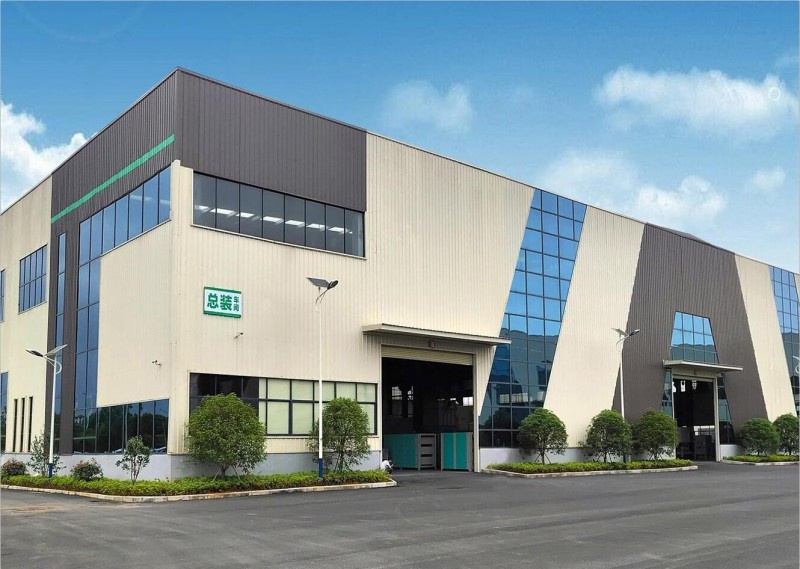
When it comes to manufacturing world-class dust collectors for any industry, most businesses prefer working with Tysum over anyone else. For more than 23 years, we’ve been the leading provider of air filtration solutions to help maintain optimal air quality and worker safety within production facilities. From reliable baghouse dust collectors to easy-to-use and maintain cartridge dust collectors, we have everything facilities need to address concerns on dust management.
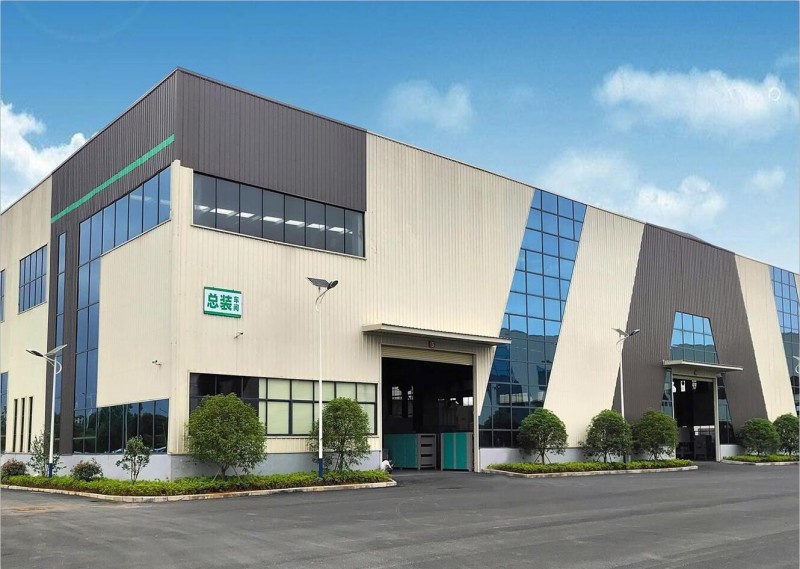
To meet the growing need for top-shelf dust collectors, we operate five ISO-certified production facilities across China. These facilities allow us quick and unrestricted access to the best materials, along with advanced workshops that adapt the latest in air filtration production technology. The combination of top-shelf materials, modern production methods, and superior quality control results in shorter lead times and higher-quality dust collectors.
We complement our strong production capabilities with customer service and support that’s tailored to deliver an exceptional sourcing experience. Each project is handled by a dedicated project manager, ensuring you get constant updates until order fulfillment. We also have a capable team of support personnel that will answer all after-sales concerns, so you can focus on building your brand.
Improve Air Quality and Maximize Materials with Bin Vent Dust Collectors
Boost the productivity of your production and storage facilities with bin vent dust collectors. Not only do they keep harmful dust particles from escaping into the environment, but they also help relieve pressure on silos while minimizing material loss. Their compact design also makes installation easier, with an automatic jet pulse system for minimal maintenance requirements.
If you’re looking for a baghouse dust collector for your facility, don’t hesitate to contact Tysum. As a leading source of dust collectors worldwide, we offer an assortment of air filtration solutions designed to address your specific needs. Talk to our team today for a free quote.